The Importance of Patient Education Before Exploring Regenerative Medicine
Learn why patient education is essential before exploring regenerative medicine and how informed decisions lead to better healthcare conversations.
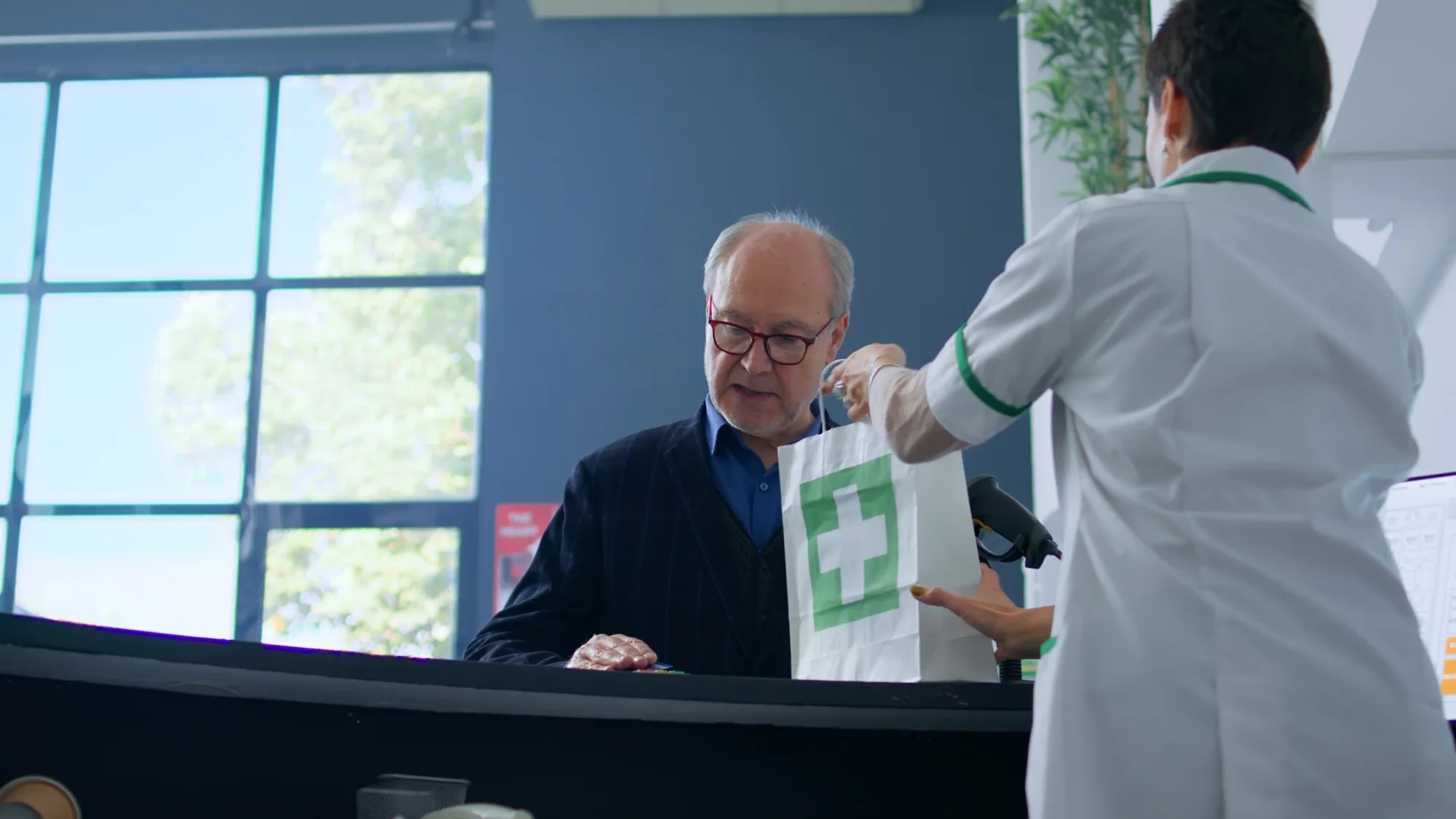
Making healthcare decisions can feel overwhelming, especially when you're researching advanced medical options. The internet offers an enormous amount of information, but not all of it is accurate, balanced, or supported by scientific evidence.
Before considering regenerative medicine, patients benefit from understanding how these therapies work, who may be eligible, what to expect during consultations, and why individualized medical evaluations are essential. Learning from reliable educational resources helps patients ask informed questions and participate actively in discussions with qualified healthcare professionals.
Knowledge doesn't replace medical advice, but it empowers patients to make thoughtful decisions.
Why Learning Comes First
Patients often begin researching after experiencing persistent pain or when conventional treatments haven't produced the desired results.
Before exploring advanced care, it's helpful to understand:
How regenerative medicine works
Which conditions are currently being studied
The importance of medical evaluations
Possible recovery expectations
Current clinical research
Questions to ask during a consultation
Learning these fundamentals helps reduce uncertainty and improves communication with healthcare providers.
Not Every Patient Is the Same
Every individual has a unique health history.
Factors that influence treatment planning include:
Age
Overall health
Existing medical conditions
Previous surgeries
Diagnostic imaging
Lifestyle and activity level
Because these factors vary, treatment recommendations should always be personalized rather than based on general information found online.
Ask Questions During Your Consultation
Patient education continues during the consultation process.
Some useful questions include:
Am I a suitable candidate?
What diagnostic tests are required?
What are the potential benefits and risks?
What recovery timeline should I expect?
Are there alternative treatment options?
Open communication helps patients understand the reasoning behind medical recommendations.
Understanding Costs and Planning Ahead
Financial planning is another important part of the decision-making process.
Patients should ask about:
Consultation fees
Procedure costs
Follow-up appointments
Rehabilitation expenses
Insurance coverage, if applicable
Having a clear understanding of these factors helps patients prepare without unexpected surprises.
A Practical Example
Susan, a 58-year-old teacher, had been experiencing ongoing shoulder discomfort that affected her ability to work and enjoy hobbies. Before scheduling any advanced procedure, she spent several weeks reading educational resources and preparing questions for her consultation.
During her appointment, the physician reviewed her medical history, imaging results, and previous treatments before discussing several possible options. Because Susan had already developed a solid understanding of the consultation process, she was able to ask meaningful questions and fully understand the physician's recommendations.
Her preparation helped her feel confident and actively involved in her healthcare decisions.
Reliable Information Builds Confidence
The goal of patient education isn't to replace healthcare professionals.
Instead, it helps individuals:
Better understand medical terminology
Recognize reliable sources
Prepare for consultations
Set realistic expectations
Make informed decisions together with their physician
Well-informed patients often feel more confident throughout their healthcare journey.
Continue Learning from Trusted Resources
Reliable educational information helps patients better understand regenerative medicine, available procedures, consultation processes, recovery expectations, and current scientific research.
If you'd like to continue learning, visit our comprehensive regenerative medicine education center for trusted patient resources designed to support informed healthcare decisions.
Conclusion
Patient education plays a valuable role in modern healthcare. By learning about regenerative medicine before meeting with a healthcare provider, patients are better prepared to ask informed questions, understand available options, and participate confidently in treatment planning.
Education, combined with personalized medical guidance, helps create a strong foundation for informed healthcare decisions.
Frequently Asked Questions
Why is patient education important before exploring regenerative medicine?
Learning about treatment approaches, consultations, and current research helps patients ask informed questions and better understand their options.
Should I rely only on online information?
No. Educational resources are helpful, but treatment decisions should always be made in consultation with a qualified healthcare professional.
What should I prepare before my consultation?
Bring your medical history, imaging reports, current medications, and a list of questions you'd like to discuss with your physician.
This article is for general information only and is not medical advice. Always consult a licensed physician. Individual results vary and no outcome is guaranteed.