Stem Cells and Treatment: Understanding How Regenerative Medicine Is Changing Modern Healthcare
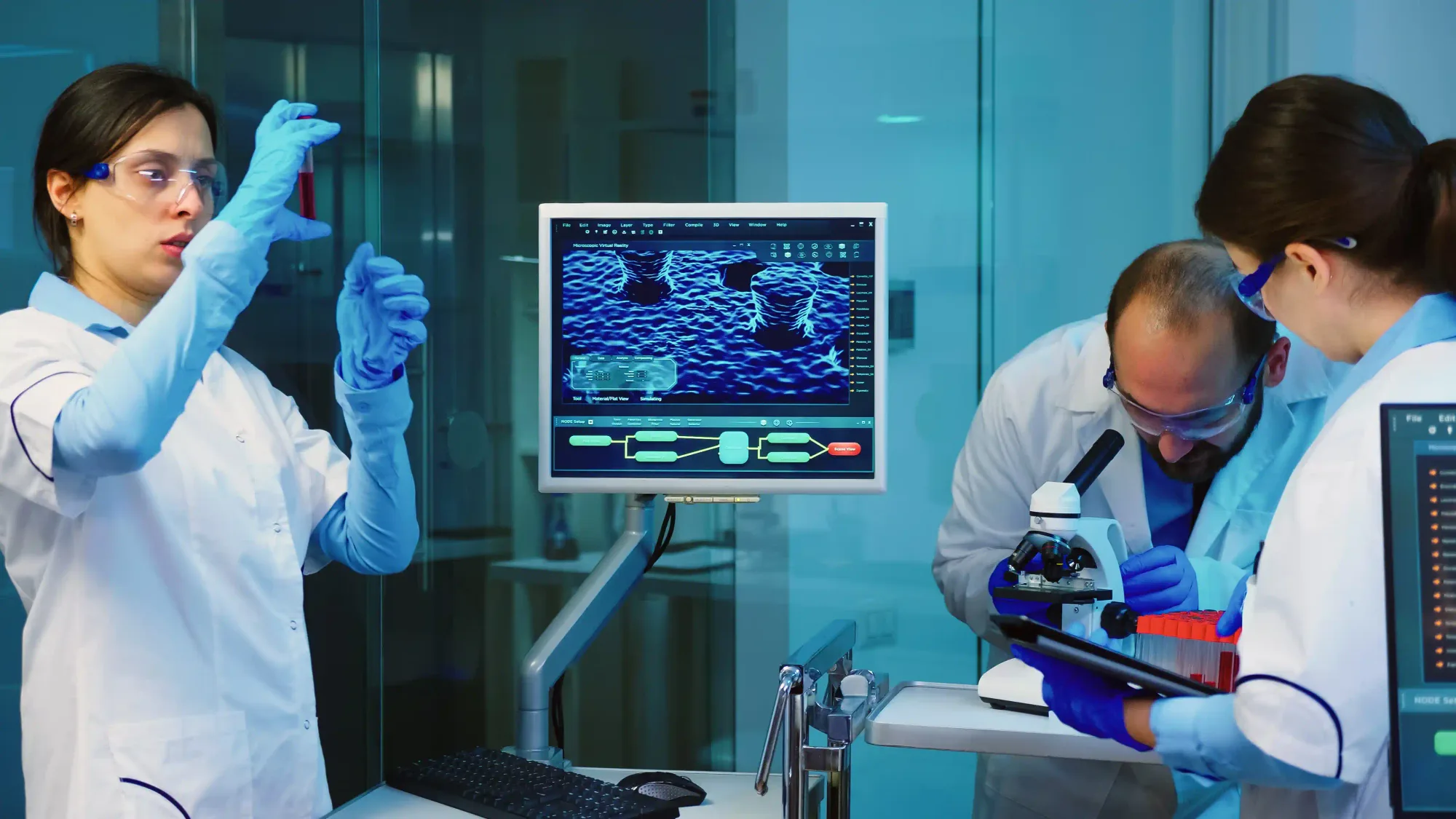
If you've been researching regenerative medicine, you've likely come across the phrase stem cells and treatment. As scientific research continues to evolve, stem cells are becoming an important part of medical discussions because of their remarkable ability to repair, replace, and regenerate damaged tissues. While some stem cell therapies are well-established, many others are still being evaluated through carefully designed clinical trials.
At MyStemCellGuide, our goal is to help patients understand the science behind stem cell therapies, separate facts from myths, and make informed healthcare decisions.
What Are Stem Cells?
Stem cells are unique cells that serve as the body's natural building blocks. Unlike ordinary cells, they have two defining characteristics:
They can continuously create new stem cells through self-renewal.
They can develop into specialized cells such as bone, cartilage, muscle, nerve, or blood cells depending on the body's needs.
These characteristics make stem cells a major focus in regenerative medicine and tissue repair research.
How Stem Cells Are Used in Treatment
The goal of stem cell treatment is to help repair or replace damaged tissues rather than simply managing symptoms. Depending on the medical condition, stem cells may:
Support tissue healing
Reduce inflammation
Promote regeneration of damaged cells
Improve normal biological repair processes
Researchers continue to investigate how these therapies may benefit patients with orthopedic injuries, autoimmune diseases, neurological disorders, cardiovascular conditions, and other chronic health problems. However, many applications remain under clinical investigation and are not yet considered standard treatments.
Types of Stem Cells Used in Medicine
Several different types of stem cells are used in research and approved medical procedures, including:
Adult stem cells
Bone marrow-derived stem cells
Umbilical cord blood stem cells
Mesenchymal stem cells (MSCs)
Induced pluripotent stem cells (primarily used in research)
Each type has different biological properties, potential benefits, and limitations. The appropriate choice depends on the condition being studied and current scientific evidence.
Conditions Being Studied
Stem cell research is expanding rapidly across many medical specialties. Scientists are investigating therapies for conditions such as:
Osteoarthritis
Sports injuries
Spinal disorders
Autoimmune diseases
Neurological disorders
Heart disease
Diabetes
While some treatments, such as bone marrow transplants for blood cancers, are well established, many regenerative applications are still being evaluated through ongoing clinical research.
Why Patients Should Stay Informed
Because regenerative medicine is evolving quickly, patients may encounter misleading claims online. Not every clinic offers evidence-based treatments, and not every condition currently has an approved stem cell therapy.
Before considering any treatment, patients should understand:
Whether the therapy has scientific evidence
Whether it is FDA-regulated or part of a clinical trial
The potential benefits and limitations
The risks and expected outcomes
Reliable education is one of the most important steps before making healthcare decisions.
Learn More with MyStemCellGuide
Understanding stem cells and treatment requires more than reading headlines. It involves learning about current research, approved therapies, ongoing clinical studies, and realistic expectations.
At MyStemCellGuide, we provide educational resources that simplify complex regenerative medicine topics so patients can confidently explore their options based on scientific evidence not marketing claims.
Whether you're just beginning your research or looking to better understand emerging regenerative therapies, staying informed is the first step toward making educated healthcare decisions.
This article is for general information only and is not medical advice. Always consult a licensed physician. Individual results vary and no outcome is guaranteed.